
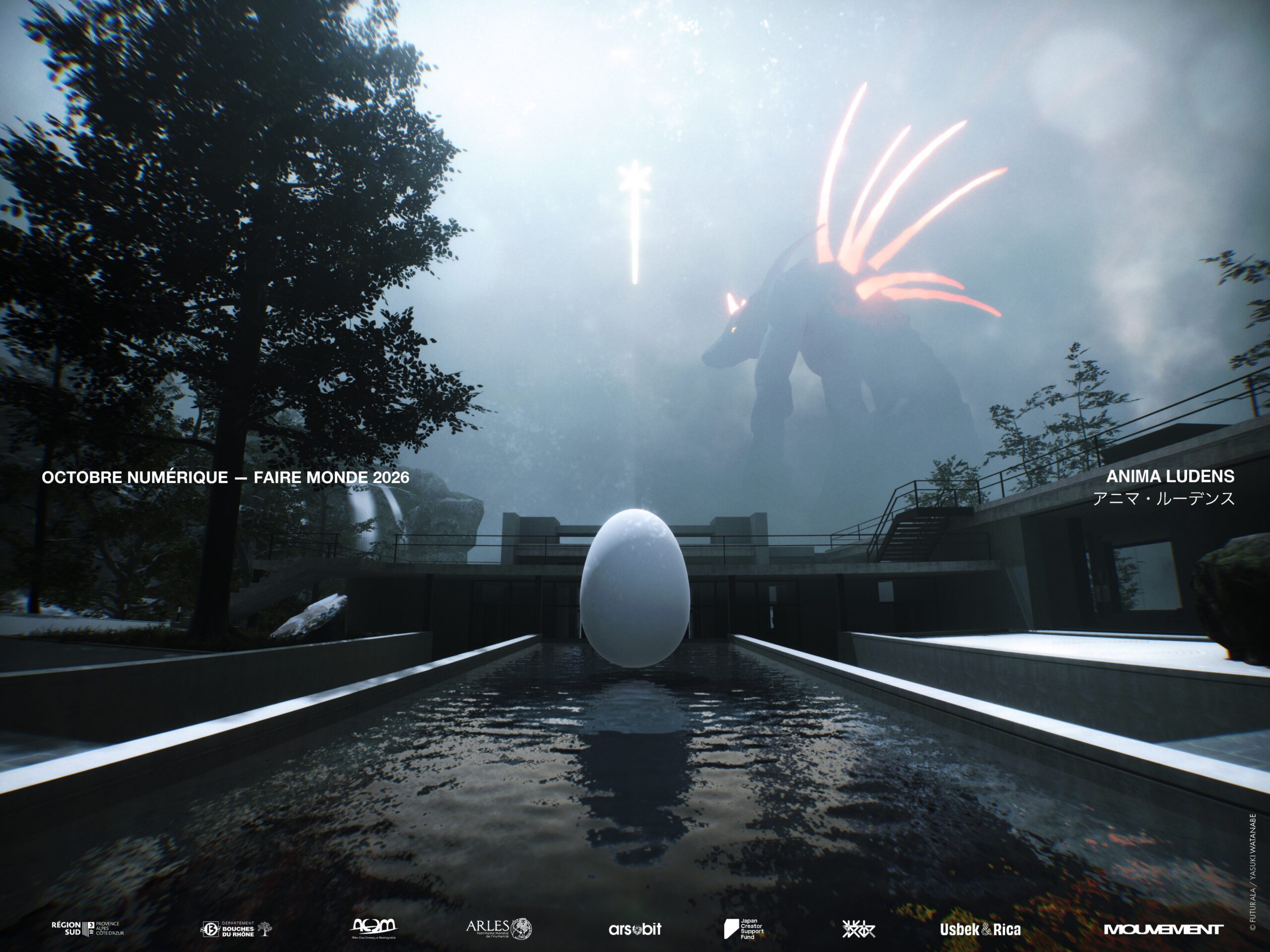
futurala / Yasuki Watanabe
ars●bit, an interdisciplinary creator-support project centered on play and games, presents Anima Ludens at the Chapelle des Trinitaires in Arles, France, from October 10 to November 8, 2026. Bringing together the artists supported through the project, this culminating group exhibition is presented as a main program of Festival Octobre Numérique, an annual festival devoted to cutting-edge technology, art, and culture. Crossing Japanese contemporary art and independent games, it explores new relationships among life, technology, and environment through the idea of “life at play.”
Finding ‘play’ at the origins of life and art: a creative principle for the posthuman age
ars●bit approaches contemporary art and independent games as creative cultures that share play as a common source and are drawing close again within today’s information environment through the development of media technologies. The project has fostered new talents and works across the boundaries between these fields. In Kyoto, it has developed art bit, an exhibition series born from collaboration between Hotel Anteroom Kyoto and the independent game festival BitSummit. At 404 Not Found in Shibuya, Tokyo, initiatives including creative jams among practitioners from different disciplines have generated new art-and-game works. Anima Ludens is a culmination of these exhibitions, production support, and creator collaborations, bringing their outcomes onto an international stage.
Anima Ludens, or “life at play,” expands Homo ludens (“the playing human”), proposed by the historian Johan Huizinga, toward a broader understanding of life and environment. Play creates order through rules and boundaries while also unsettling them and testing other possibilities. The exhibition focuses on the interactions among ecosystems composed of diverse forms of life, including humans; technological environments shaped by AI and other technologies; and the character-based and mythic imagination that connects them. At a time of deepening political, cultural, and ecological division, it reconsiders play as a force capable of reconnecting different forms of existence and bridging diverse cultures and natures.
Set within the historic Chapelle des Trinitaires in Arles—now used for numerous art events—the exhibition presents current developments in Japanese contemporary art and independent games through interactive works, moving images, paintings, sculptures, and other forms. It also forms a counterpart to art bit #6: Game-Playing Society, held in Kyoto from April to June, extending the question of replaying the rules of human society toward relationships among life, environment, and technology, and envisioning new artistic expressions and possibilities for coexistence born from play.
Toward game–art co-creation where bodies and imagination, technology and ecosystems intersect
The exhibition brings together games, contemporary art, and works exploring their hybrid forms through the shared perspective of “life at play,” forming a heterogeneous ecosystem within the same church space.
Leading the selection of video games is KOTAKE CREATE’s The Exit 8, a global viral hit whose film adaptation was invited to the Cannes Film Festival. Through the simple rule of identifying “anomalies” in an endlessly repeating underground passage, it transforms an ordinary urban space into a liminal environment with an uncanny sense of life.
PIGGY ONE SUPER SPARK, a collaboration between animator Hanabushi and hako life, who leads the prominent Japanese independent-game label YOKAZE, combines the exhilaration of rhythmically animated 2D side-scrolling action with a road-movie-like journey populated by colorful nonhuman characters.
Nao Usami’s I stitch my skin to the ground is a project comprising two video games based on testimonies by victims/survivors whose bodies were turned into “objects” through sexual violence. Through the player’s loss of control and the recovery of a nonbinary body in which humans, animals, plants, and machines intermingle, the work questions the boundaries separating self and body.
futurala’s CultureHouse, whose world also forms the basis of the exhibition’s key visual, is a title in development set in the residence and research facility of a missing scientist, where the player cultivates a strange cell as a researcher. By making the cultivation, observation, and formation of relationships with unknown life in a reset world into the game itself, it foretells the emergence of an Anima Ludens torn between unease and hope. The exhibition’s main visual was created and provided by futurala.
Among the contemporary-art works, Yoshihiro Takeuchi’s diptych Re:—by an artist closely associated with the art bit exhibitions in Kyoto—connects Abstract Expressionism, a point of departure for postwar contemporary art, with the singularity of the “paddle-and-ball” game at the origins of the video-game industry, inviting viewers into a primal experience that might be called game-playing painting.
Emi Kusano’s Ornament Survival – Nursing the Machine and Ornament Survival -Endless Optimization digitize the artist’s own body and use AI-tool filters to fix it as a portrait: a “vessel” for a collective-unconscious intelligence in which self and other become continuous. The works question the natural resources consumed to maintain such systems and the endless drive toward optimization.
Fortune Assholer, created by the internationally recognized performance-art unit contact Gonzo, uses an elementary coin-game mechanism in which physical currency travels down an incline. It ironically stages a “performance without a body,” projecting the player’s self toward chance and fortune.
Maki Ohkojima’s Uzuki | Resonant Wounds, fontanelle—Shishi, and Re forming 〈 I 〉ver.2 move across ceramics, GAN-generated moving images, and materials gathered from the land to evoke wounds and aches, and the dynamics of resonance and fusion among vulnerable beings. By layering bodily sutures with geological fault lines, and individuals with their environments, the works reveal processes through which life circulates and reforms across media.
At the forefront of crossovers between video games and contemporary art, Takakurakazuki connects digital play, Buddhist cosmology, and meditative ritual through GAME OVER: BUTSUDAN GAME and Denno Samaya, which combine Buddhist altars and ritual implements with game devices.
Carrying forward a tsukumogami-like worldview that finds spirit in things within traditional craft, metalsmith Ryosuke Shiomi gives biological form and soul to once-utilitarian armor. Mask of Harpy Eagle is forged from copper and iron with the Harpy Eagle as its motif. Created in collaboration with game designer KamiEna and programmer Takeru Kaneko, PRJ CÔGEIMU “ARE YOU THERE?”, the latest iteration of a project exploring the fusion of craft and video games, will make its world premiere. A game screen is embedded behind the eye sockets of a hammered-copper girl sculpture, and visitors transmit their body heat by touching her cheeks, creating an experience of not “playing with the artwork” but “playing together with the artwork.” In doing so, the work transforms the act of viewing into a dialogue with an object that has acquired a body and soul (anima) different from our own.
The Spaceship of SHIP’S CAT by Kenji Yanobe, a leading figure in Japanese contemporary art, and The Great Adventure of SHIP’S CAT by YANOKEN PROJECT, whose stages were designed by pixel artist BAN8KU, connect a game cabinet conceived as sculpture with an industry–academia game-production collaboration. As a literal “social sculpture” that incorporates audience choices and actions, the project proposes a new relationship between art and games.
The unit comprising Yo Tomura, Ryoya Usuha, HSP, and mamamama (Shin)—creators of the experimental, multi-participant installation The White Anteroom for a stage event at Expo 2025 Osaka, Kansai—will present a new work, Here ∋ lsewhere, a prototype for their next challenge: building a dynamic “game-playing society” over the course of the exhibition through the accumulation of interactions by numerous visitors.
About Festival Octobre Numérique 2026
Based in Arles, France, Festival Octobre Numérique — Faire Monde explores relationships between digital technologies and contemporary creative practice through exhibitions, events, game jams, and online programs. Moving across games, moving images, VR, and other media, the festival presents technology not simply as a novel tool but as an expressive environment through which reality, narrative, embodiment, and society can be re-examined. Anima Ludens is developed as the main theme of Festival Octobre Numérique 2026.
(Festival Octobre Numérique official website: https://octobre-numerique.fr/)
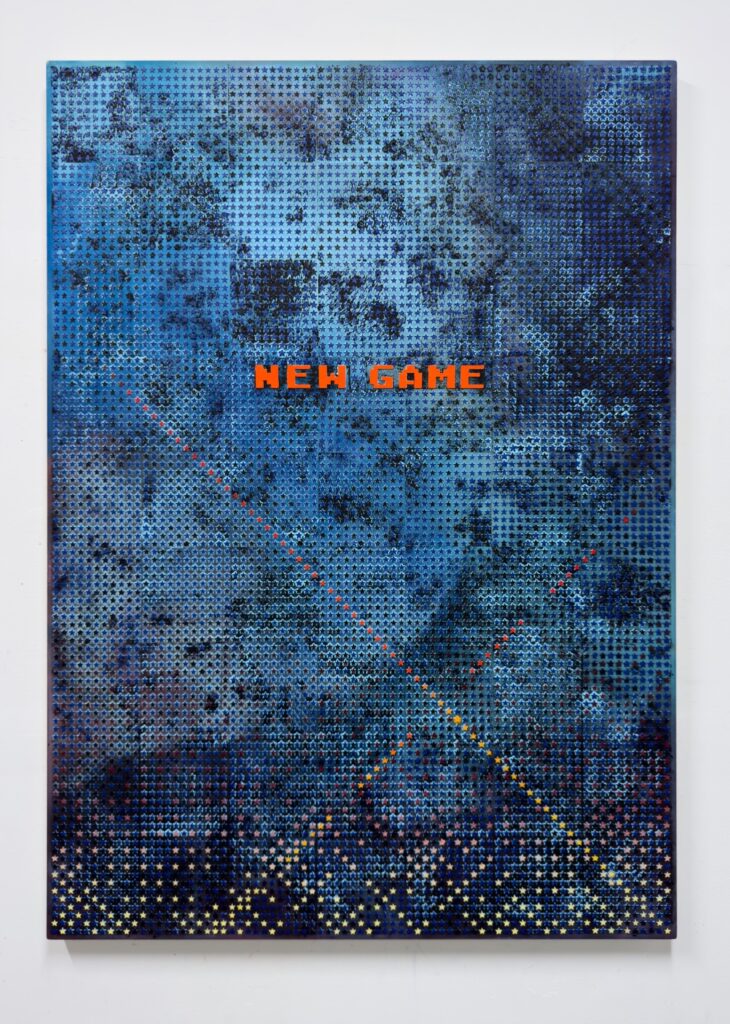
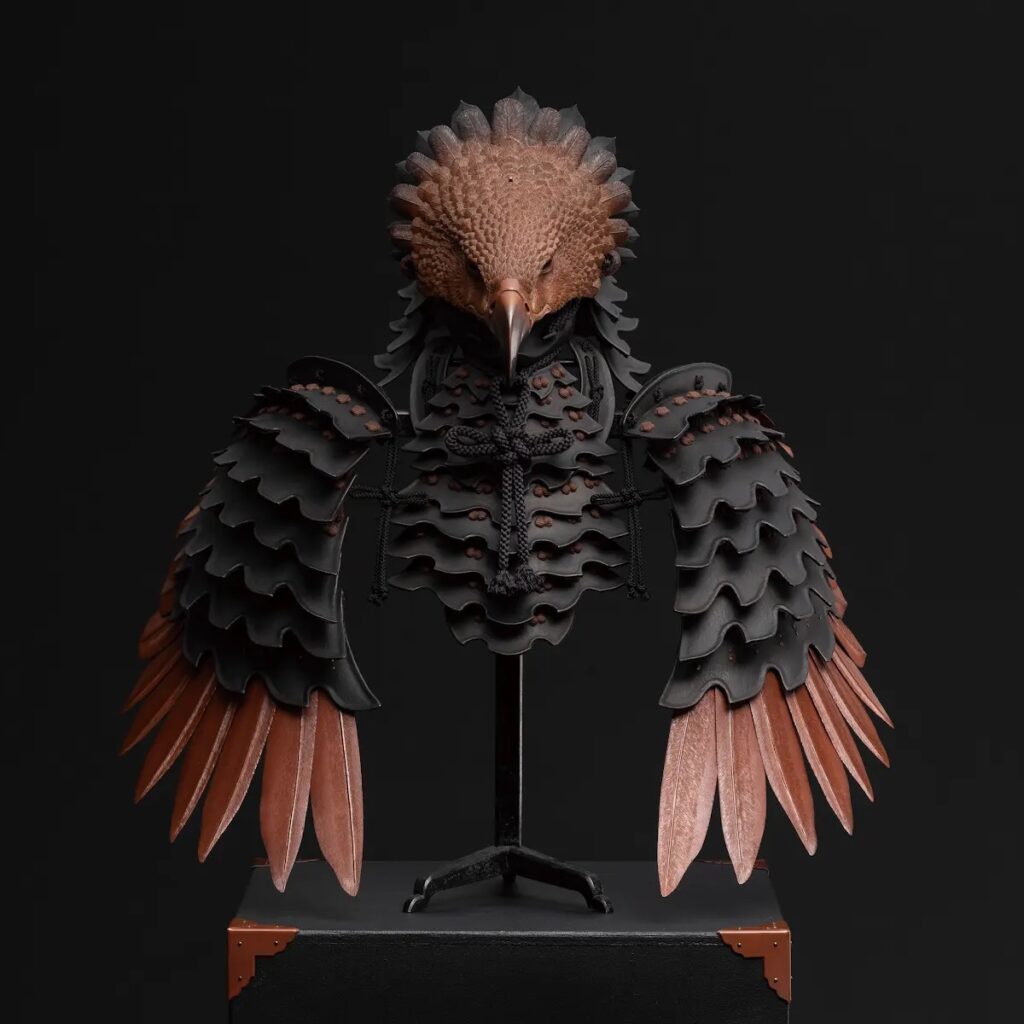
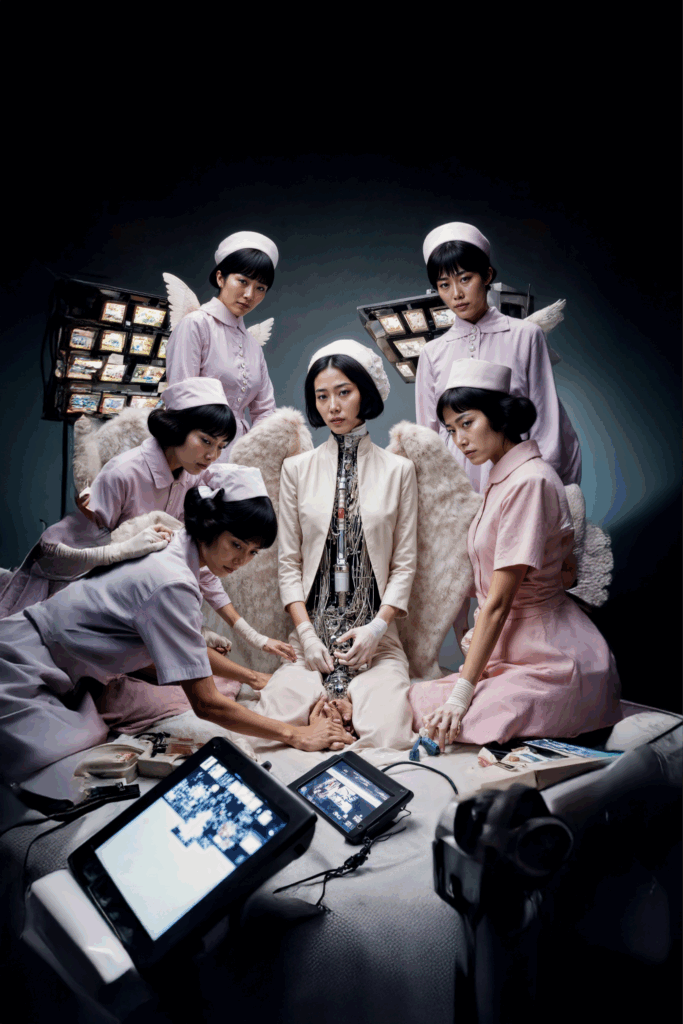
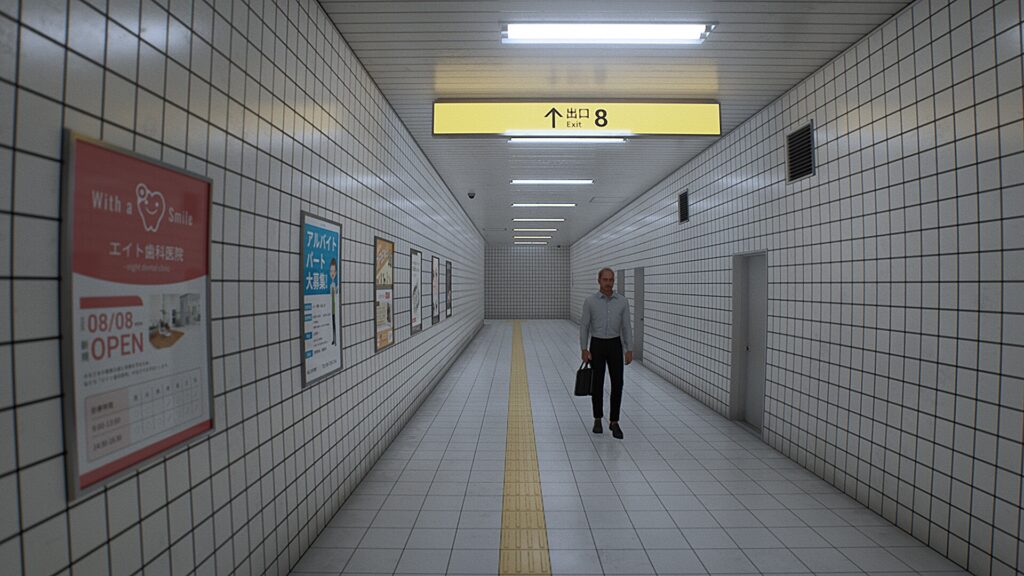
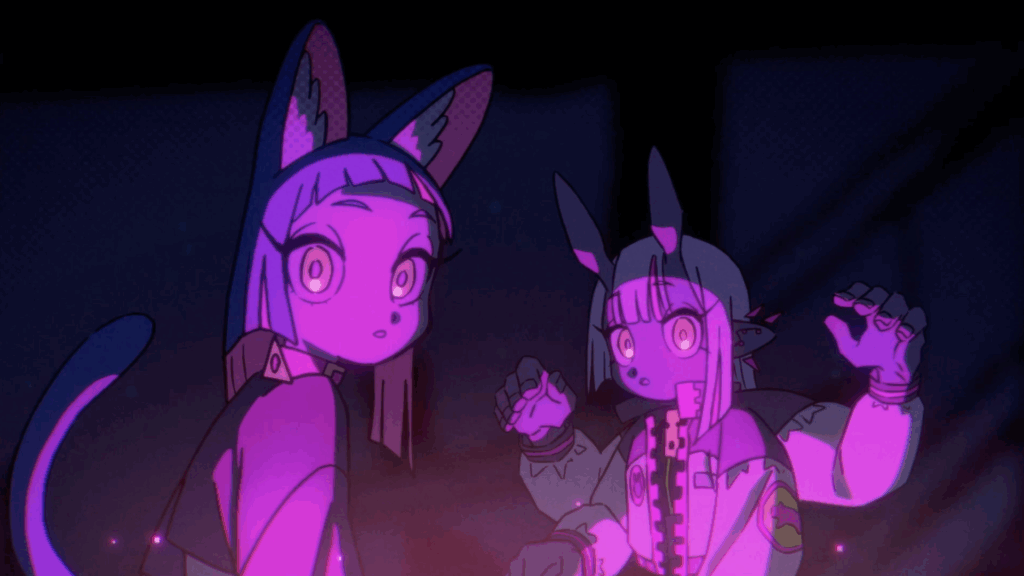
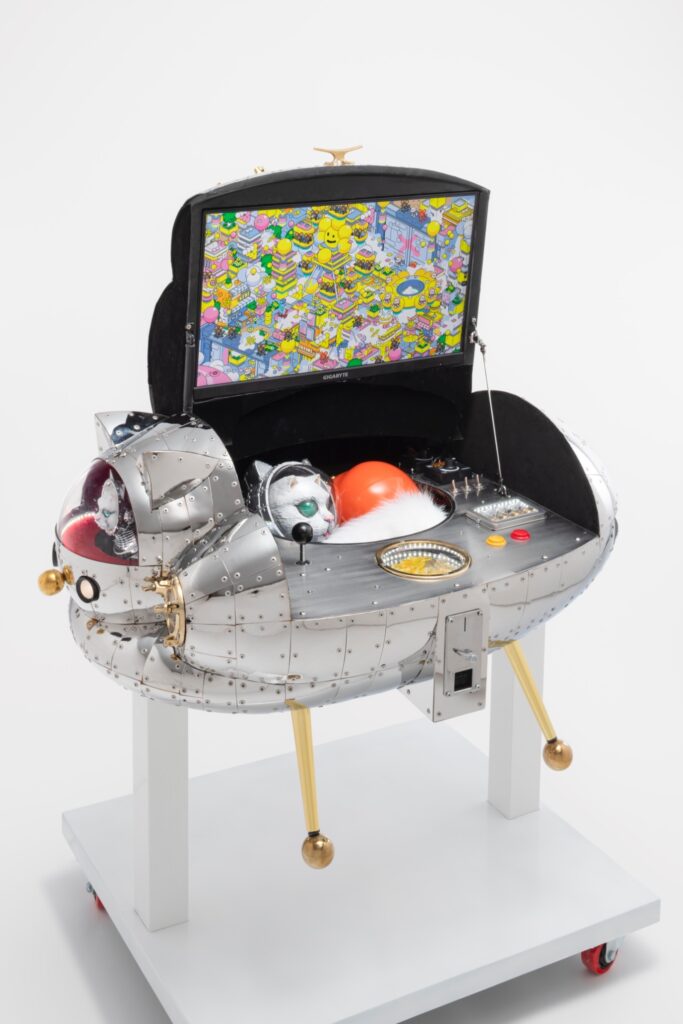
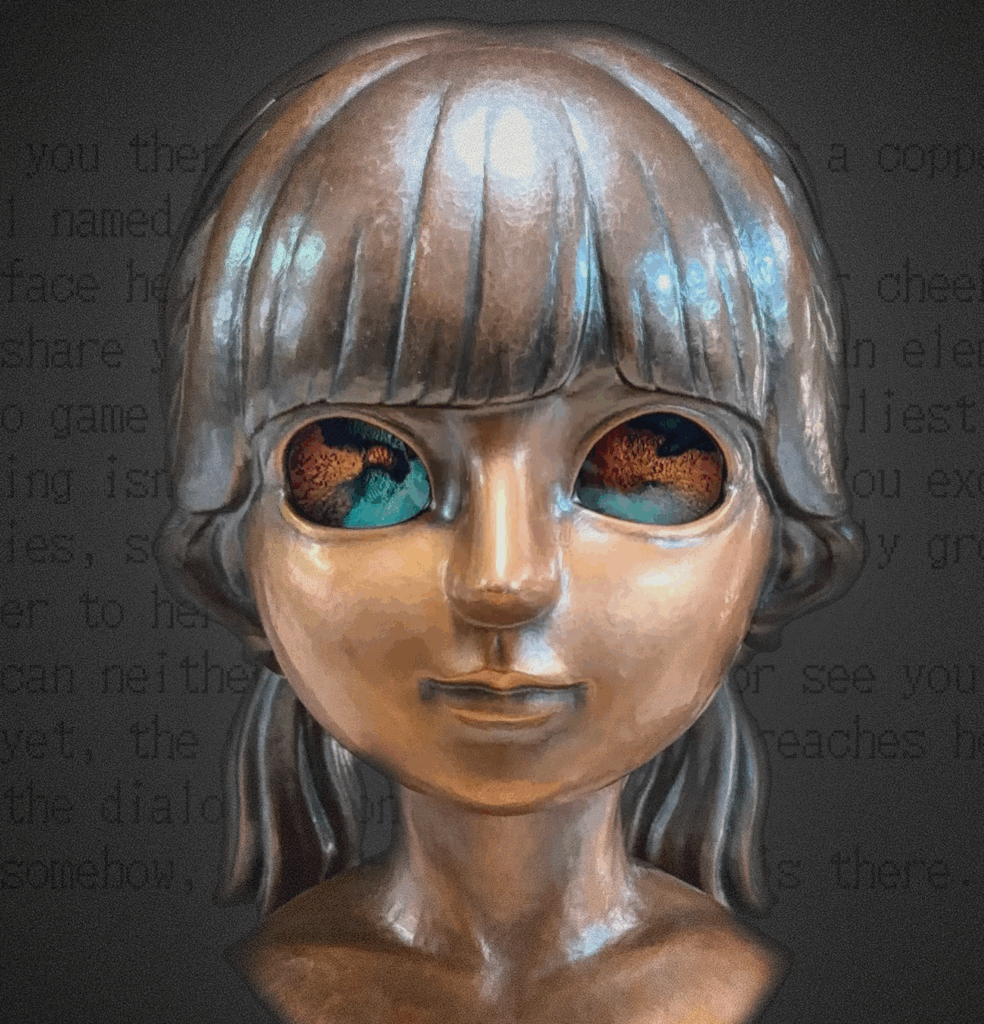
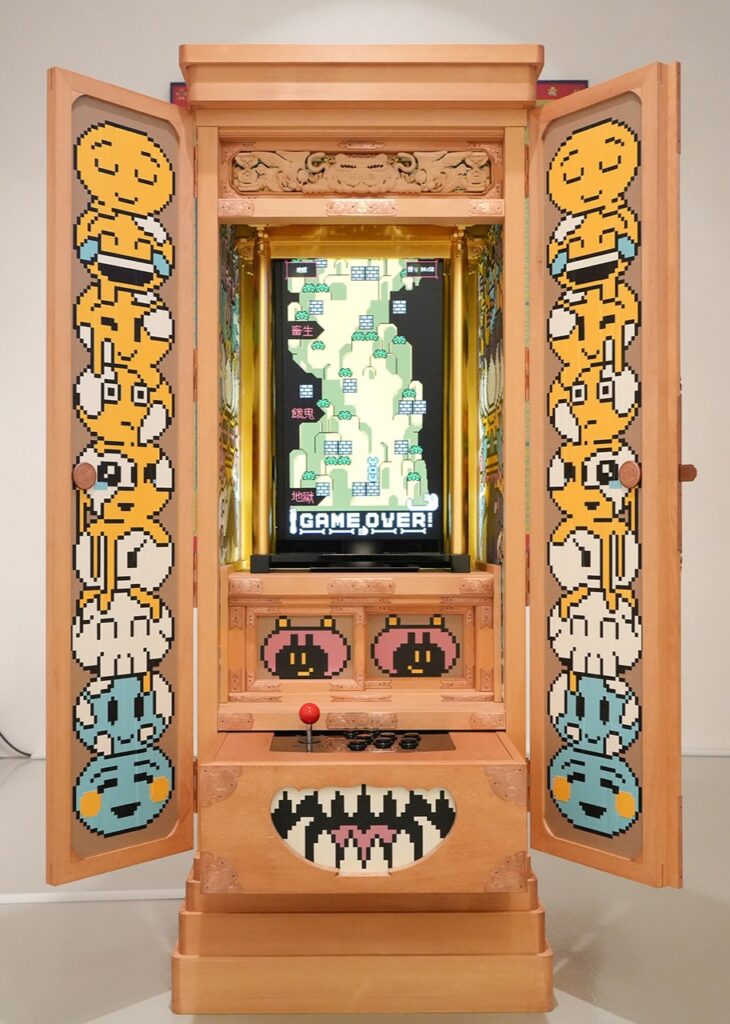
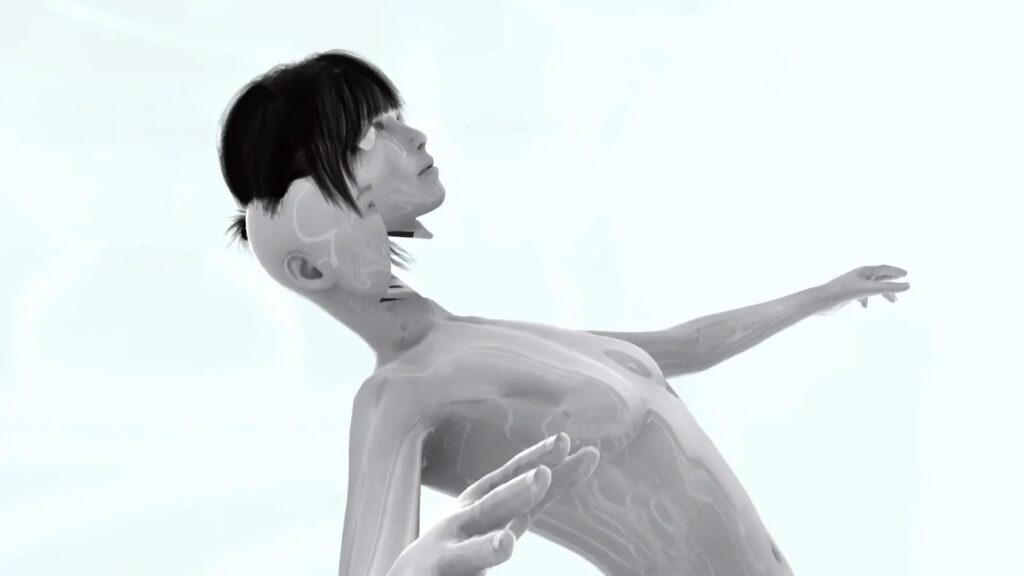
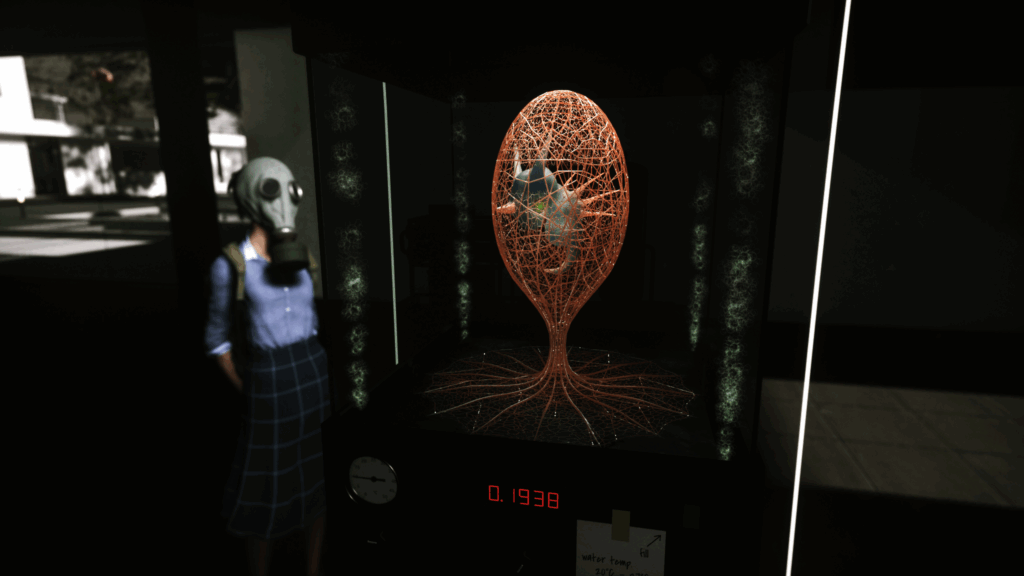
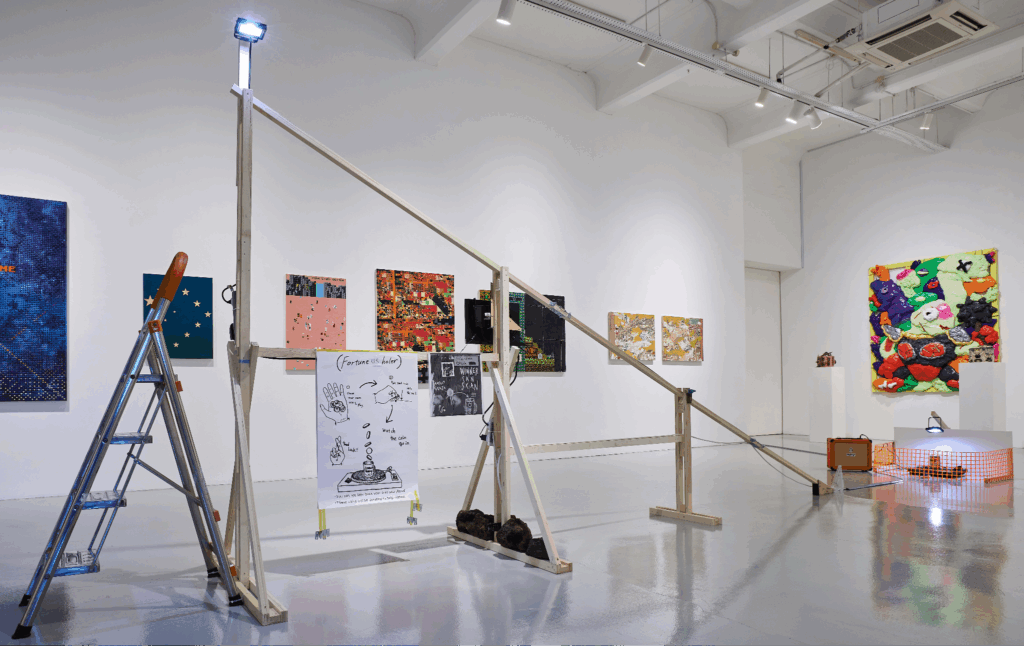
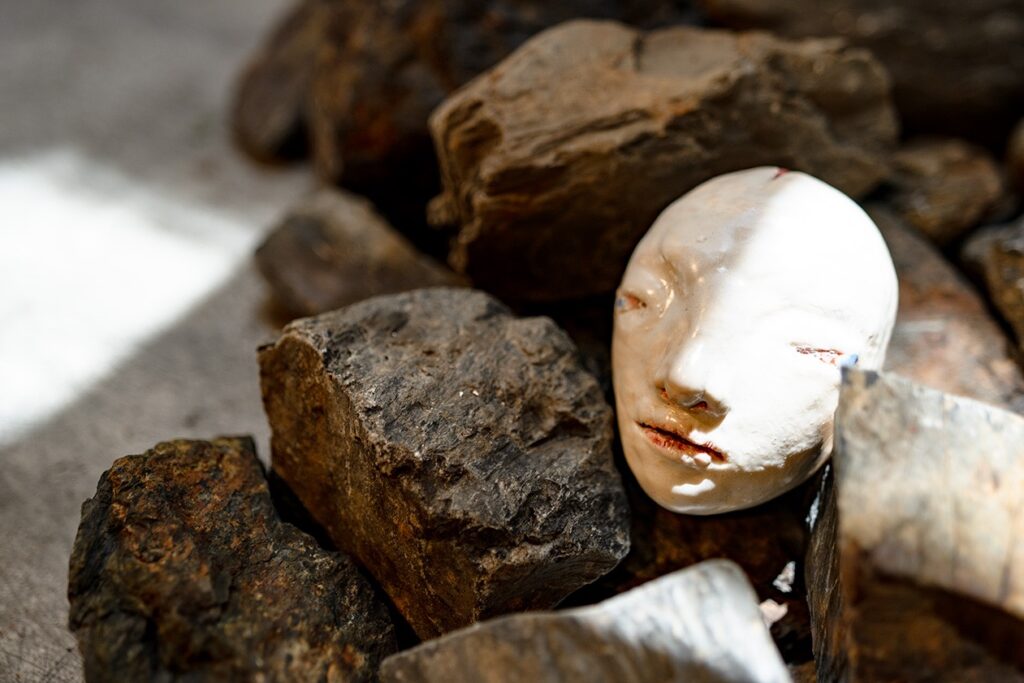
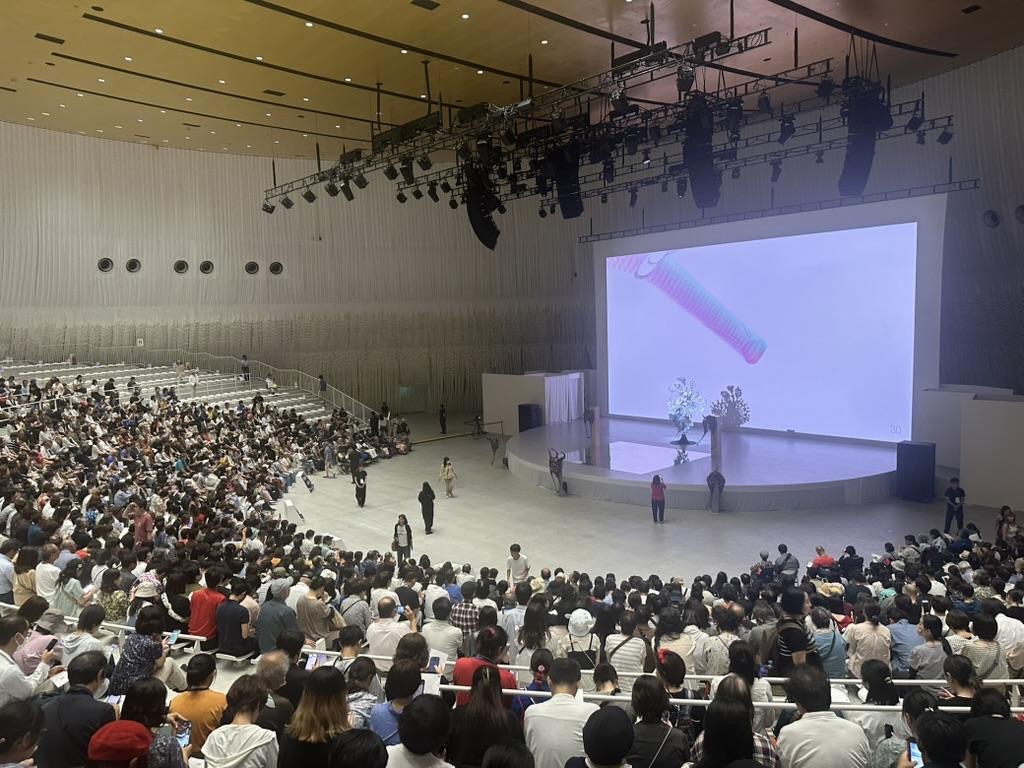
Yoshihiro Takeuchi Re: / Ryosuke Shiomi Mask of Harpy Eagle (Photo: Miyagawa Kunio) / Emi Kusano Ornament Survival – Nursing the Machine / KOTAKE CREATE The Exit 8 (© KOTAKE CREATE Licensed to and published by Active Gaming Media Inc.) / Hanabushi × hako life PIGGY ONE SUPER SPARK (© hanabushi / hako life)/ Kenji Yanobe The Spaceship of SHIP’S CAT (Photo: Omote Nobutada Work: Kenji Yanobe Pixel Art: BAN8KU / thePIXEL) / Ryosuke Shiomi, KamiEna, and Takeru Kaneko GameArt PRJ “CÔGEIMU” / Takakurakazuki GAME OVER: BUTSUDAN GAME / Nao Usami I stitch my skin to the ground / futurala CultureHouse / contact Gonzo Fortune Assholer / Maki Ohkojima Uzuki | Resonant Wounds / Yo Tomura, Ryoya Usuha, HSP, and mamamama(Shin) The White Anteroom
Exhibition Information
Title: Anima Ludens
Festival: A participating program of Festival Octobre Numérique 2026
Dates: Oct. 10 – Nov. 8, 2026
Venue: Chapelle des Trinitaires, Arles, France
Organizers: Festival Octobre Numérique – Faire Monde, Shibuya Asobi-ba Production Committee / ars●bit



Supported by Japan Creator Support Fund

Opening Hours & Closed Days: 10:00 a.m. – 7:00 p.m. (Closed on Mondays)
Admission: Free
Producer
Director
Curators
Daichi Nakagawa
Yasutaka Toyokawa
Vincent Moncho
Participating Artists and Works
BAN8KU /thePIXEL Artwork for “The Great Adventure of SHIP’S CAT”
contact Gonzo Fortune Assholer
Emi Kusano Ornament Survival – Nursing the Machine; Ornament Survival – Endless Optimization
futurala CultureHouse
Hanabushi × hako life PIGGY ONE SUPER SPARK
KamiEna, Ryosuke Shiomi and Takeru Kaneko PRJ CÔGEIMU “ARE YOU THERE?”
Kenji Yanobe The Spaceship of SHIP’S CAT
KOTAKE CREATE The Exit 8
Maki Ohkojima Uzuki | Resonant Wounds; fontanelle—Shishi; Re forming 〈 I 〉ver.2
Nao Usami I stitch my skin to the ground
Ryosuke Shiomi Mask of Harpy Eagle
Takakurakazuki GAME OVER: BUTSUDAN GAME; Denno Samaya
YANOKEN PROJECT The Great Adventure of SHIP’S CAT
Yo Tomura, Ryoya Usuha, HSP, and mamamama(Shin) Here ∋ lsewhere
Yoshihiro Takeuchi Re:
Curatorial Cooperation: Yosuke Takahashi
About ars●bit
ars●bit is an interdisciplinary creator-support project centered on play and games. It connects practitioners across contemporary art, independent games, and related fields, fostering new talent, works, and collaborations. Through initiatives including the art bit exhibition series in Kyoto and creative jams at 404 Not Found in Shibuya, Tokyo, ars●bit develops exhibitions, supports production, and builds cross-disciplinary creative communities.